Introduction
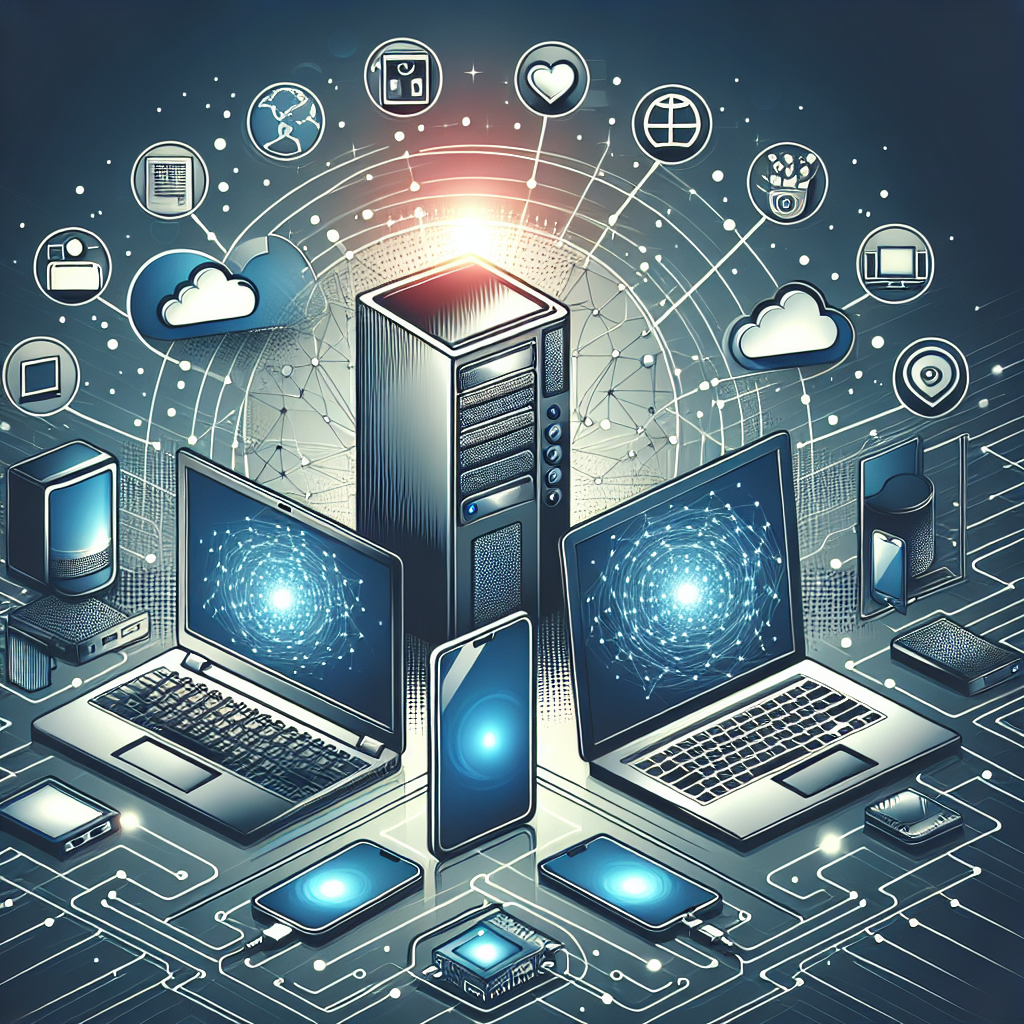
In today’s fast-paced digital world, edge computing has emerged as a pivotal technology, transforming the way businesses process and analyze data. Unlike traditional cloud computing, edge computing takes the data-processing power closer to the source of data generation.
Main Content
What is Edge Computing?
Edge computing involves decentralizing data processing, enabling computations to be carried out closer to where the data is generated rather than relying on a central data center. This reduces latency and bandwidth use.
Advantages of Edge Computing
- Reduced Latency: By processing data locally, edge computing significantly decreases the time it takes to analyze data.
- Improved Efficiency: It optimizes system performance by minimizing network load.
- Enhanced Data Security: Localized data processing can improve security by reducing the need to transmit sensitive information across networks.
Applications
Edge computing finds applications in various fields such as IoT devices, autonomous vehicles, and smart cities where real-time data processing is crucial.
FAQs
What differentiates edge computing from cloud computing? Edge computing processes data locally whereas cloud computing relies on centralized servers.
Can edge computing coexist with cloud computing? Yes, they can complement each other to enhance overall system efficiency.
Conclusion
Edge computing is set to become integral to modern technology infrastructure. Companies like DH Solutions are pioneering advancements in this field, offering cutting-edge solutions to meet business needs.
Tags