Introduction
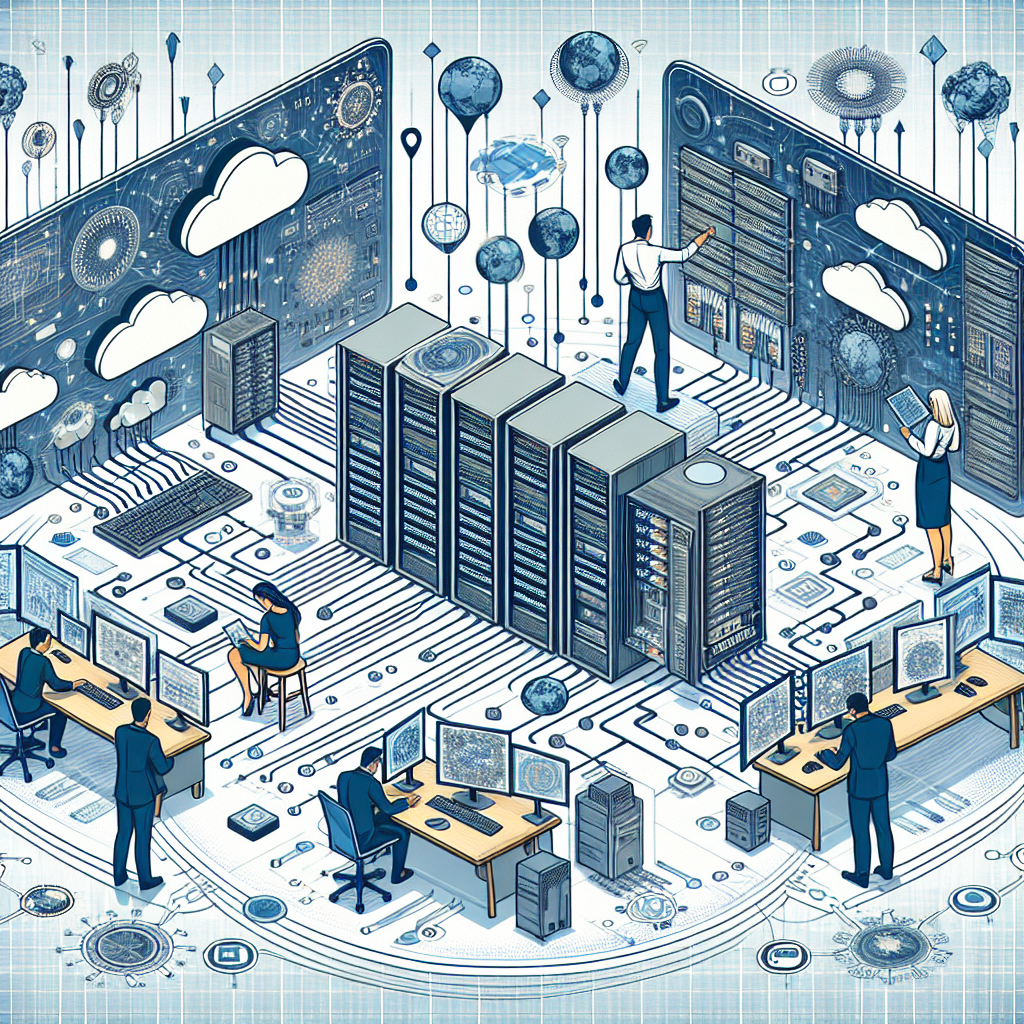
Edge computing is a transformative approach that processes data nearer to where it is generated. Unlike traditional cloud computing, which relies on centralized data centers, edge computing brings computation and data storage closer to the data source.
Main Content
Edge computing offers numerous advantages including reduced latency, improved speed, and enhanced security. Its applications span various industries such as healthcare, automotive, and smart cities.
- Reduced Latency: By processing data locally, edge computing minimizes the time it takes to retrieve information, crucial for real-time applications.
- Improved Speed: Data doesn't need to travel back to a central server, enhancing overall processing speed.
- Enhanced Security: Keeping sensitive data closer to its source can bolster data protection.
FAQs
What is edge computing? Edge computing involves processing data at the source rather than relying on centralized servers.
Why is edge computing important? It reduces latency, increases speed, and improves data security.
Conclusion
Edge computing is set to revolutionize industries by enhancing the efficiency and security of data processing. At DH Solutions, we are at the forefront of integrating cutting-edge technologies like edge computing to support innovation and growth.
Tags