Introduction
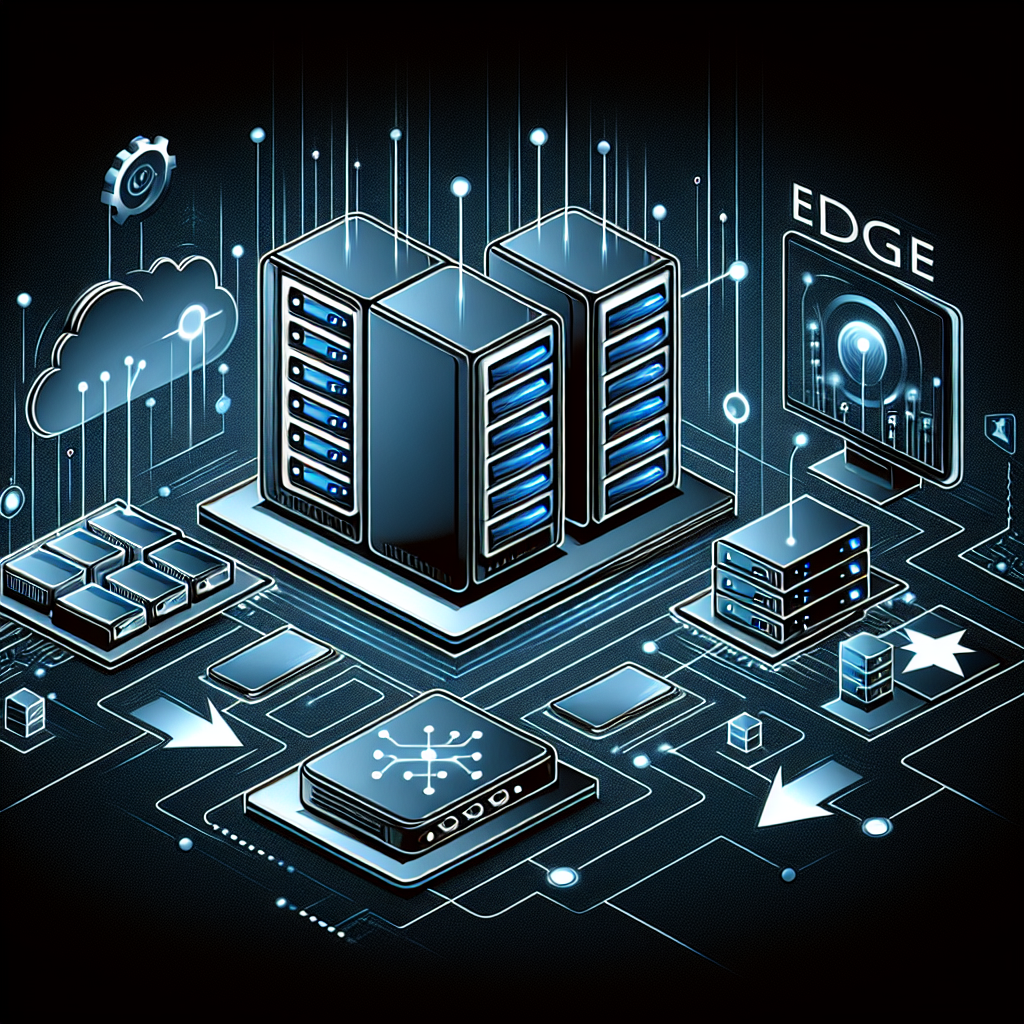
Edge computing is revolutionizing the way data is processed and managed. By bringing computation closer to the data source, it reduces latency, enhances speed, and supports real-time applications, making it a critical aspect of modern technology.
Main Content
What is Edge Computing?
Edge computing refers to the decentralization of data processing. Instead of sending data to a centralized data center, processing occurs at the "edge" of the network, near the source of data generation. This approach improves responsiveness and reliability.
Benefits of Edge Computing
- Reduced Latency: By processing data closer to its source, edge computing minimizes delays.
- Improved Efficiency: It allows for efficient use of bandwidth and faster data analysis.
- Enhanced Security: Data is processed locally, reducing the risk of breaches during transmission.
Applications in Various Industries
Edge computing finds applications in various sectors such as healthcare, manufacturing, and smart cities, where real-time data processing is crucial.
FAQs
What makes edge computing different from cloud computing?
Unlike cloud computing, which relies on centralized data centers, edge computing processes data at or near the data source, resulting in faster response times.
Is edge computing secure?
Yes, it often enhances security by allowing data to be processed locally, reducing exposure to potential threats during transfer.
Conclusion
As industries increasingly rely on real-time data, edge computing becomes indispensable. At DH Solutions, we are committed to leveraging edge computing to drive innovation and efficiency across sectors.
Tags