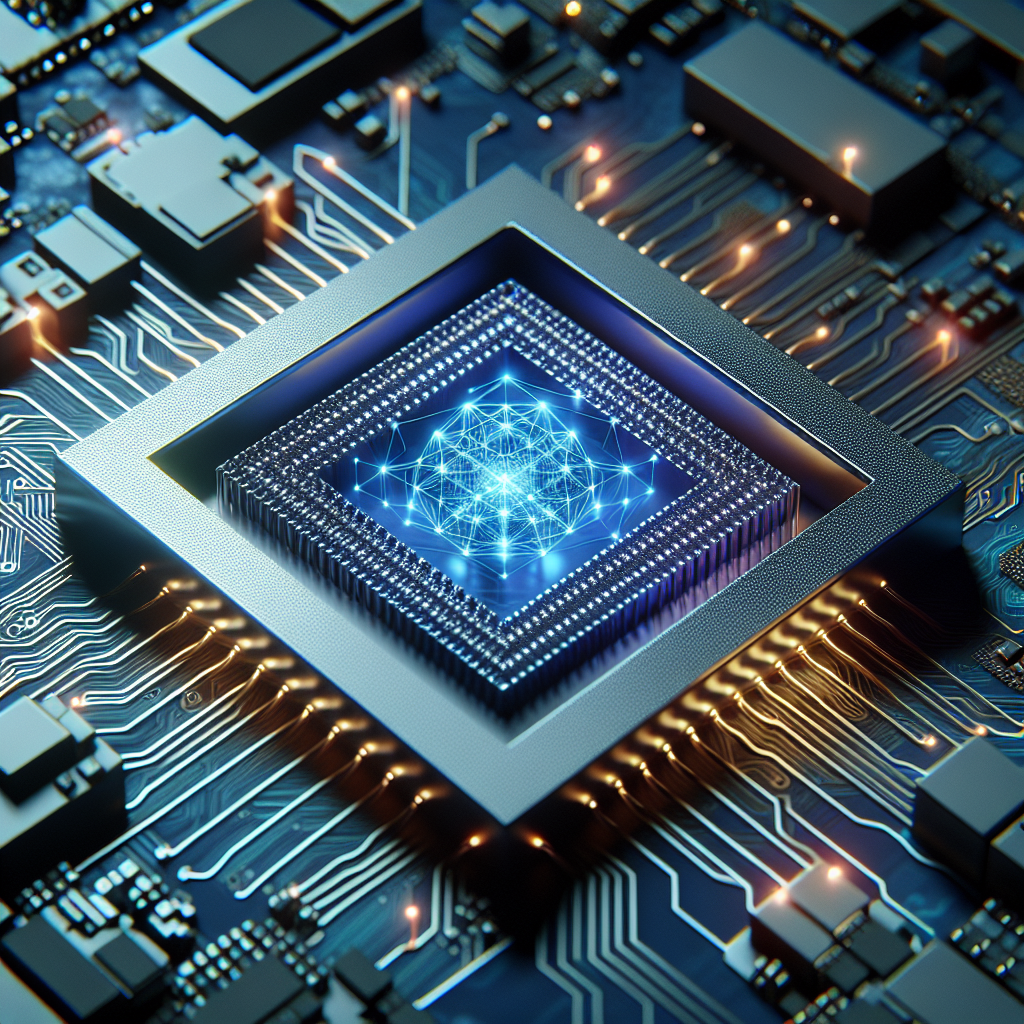
Introduction
Quantum computing represents a radical departure from the classical computing model. At its core, it leverages the principles of quantum mechanics to process information in fundamentally new ways. Unlike classical computers, which use bits, quantum computers use quantum bits or qubits, enabling them to perform complex calculations much faster.
What is Quantum Computing?
Quantum computing uses the unique behaviors of quantum physics, such as superposition and entanglement, to perform tasks that traditional computers find incredibly challenging. This nascent field has the potential to transform industries by resolving problems across cryptography, medicine, finance, and more.
How Does It Work?
Quantum computers utilize qubits that can exist in multiple states at once, thanks to superposition. This property allows them to evaluate many possibilities simultaneously. Entanglement further enhances their capacity, enabling linked qubits to influence one another instantly, even over long distances.
Applications of Quantum Computing
- Cryptography: Quantum computing can break traditional encryption methods but also offers new ways to secure data.
- Drug Discovery: It accelerates the simulation of molecules leading to faster drug development.
- Financial Modeling: Offers better risk analysis and financial forecasting.
FAQs
Q: Are quantum computers better than classical computers?
A: They are not necessarily "better" but are better suited for specific tasks that involve highly complex calculations.
Q: When will quantum computing become mainstream?
A: While significant progress is being made, widespread commercial use is still potentially years away.
Conclusion
Quantum computing is set to redefine the landscape of computation. With ongoing research and development, its future applications seem limitless. At DH Solutions, we are closely following these advancements, prepared to leverage quantum computing's potential in pioneering new technology solutions.
Tags