Introduction
In the rapidly evolving world of technology, edge computing is emerging as a revolutionary concept. By processing data closer to the source, edge computing enhances speed and efficiency, presenting exciting new opportunities for businesses and consumers alike.
What is Edge Computing?
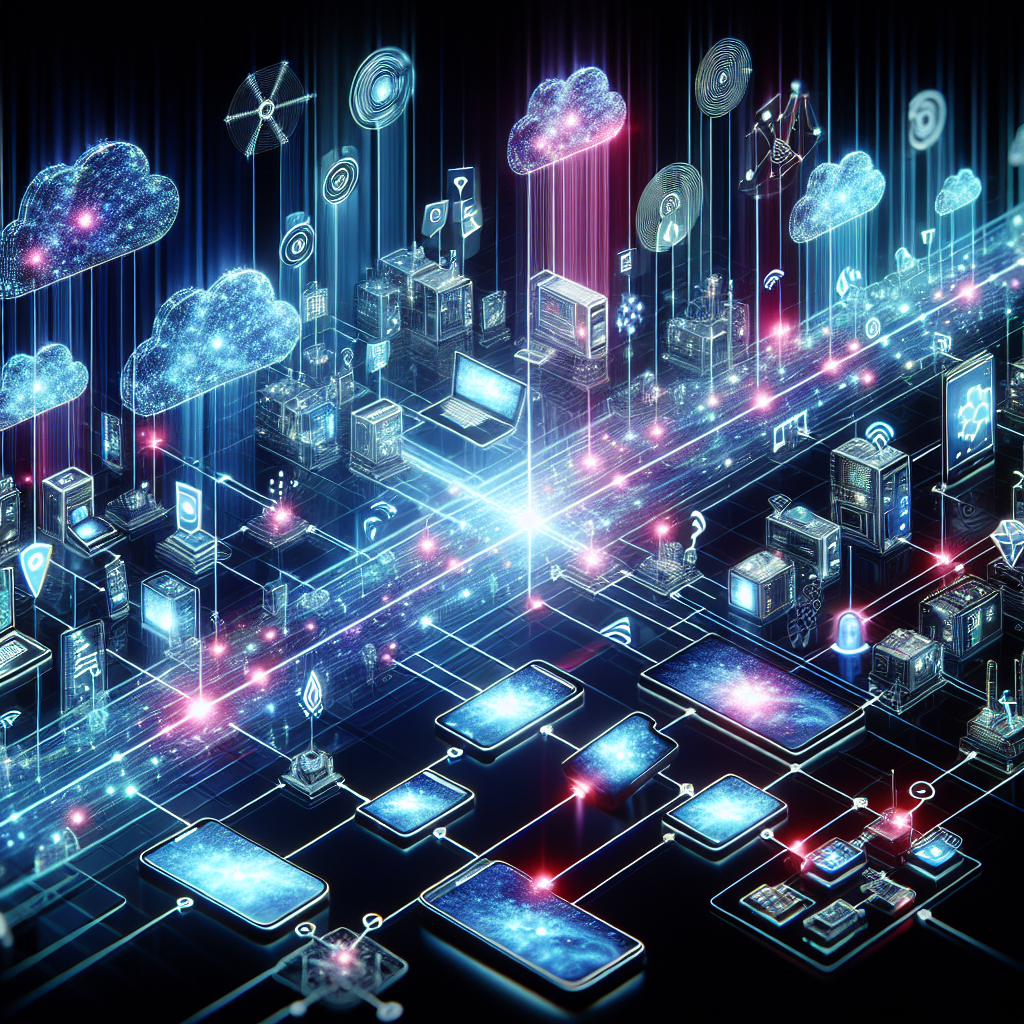
Edge computing refers to the practice of processing data near the edge of the network, closer to the devices generating that data. This approach reduces latency and improves real-time data processing capabilities.
Benefits of Edge Computing
- Reduced Latency: By analyzing data close to its source, edge computing minimizes time delays, enhancing user experience and application performance.
- Improved Security: Processing data locally reduces transmission to central data centers, mitigating risks associated with data breaches.
- Cost Efficiency: Lower bandwidth usage and decreased data center reliance leads to cost savings for companies.
Applications of Edge Computing
Edge computing is pivotal in various sectors:
- Healthcare: In remote monitoring and real-time data analysis, enhancing patient care.
- Manufacturing: Facilitating predictive maintenance and smart factory operations.
- Retail: Enabling personalized customer experiences and efficient inventory management.
FAQs
What is the difference between edge computing and cloud computing? While cloud computing relies on centralized data centers, edge computing processes data closer to the data source. This makes edge computing faster and more efficient for certain applications.
How will edge computing evolve in the future? With the rise of IoT devices and increased data generation, edge computing will continue to grow, offering expanded applications and enhanced real-time processing.
Conclusion
As a frontrunner in technological innovation, DH Solutions recognizes the transformative potential of edge computing. By leveraging its capabilities, businesses across various industries can achieve significant advancements in performance and efficiency.
Tags