Introduction
In today's fast-paced digital world, edge computing is emerging as a groundbreaking technology. It promises to enhance the way data is processed by bringing computation and data storage closer to the location where it is needed.
What is Edge Computing?
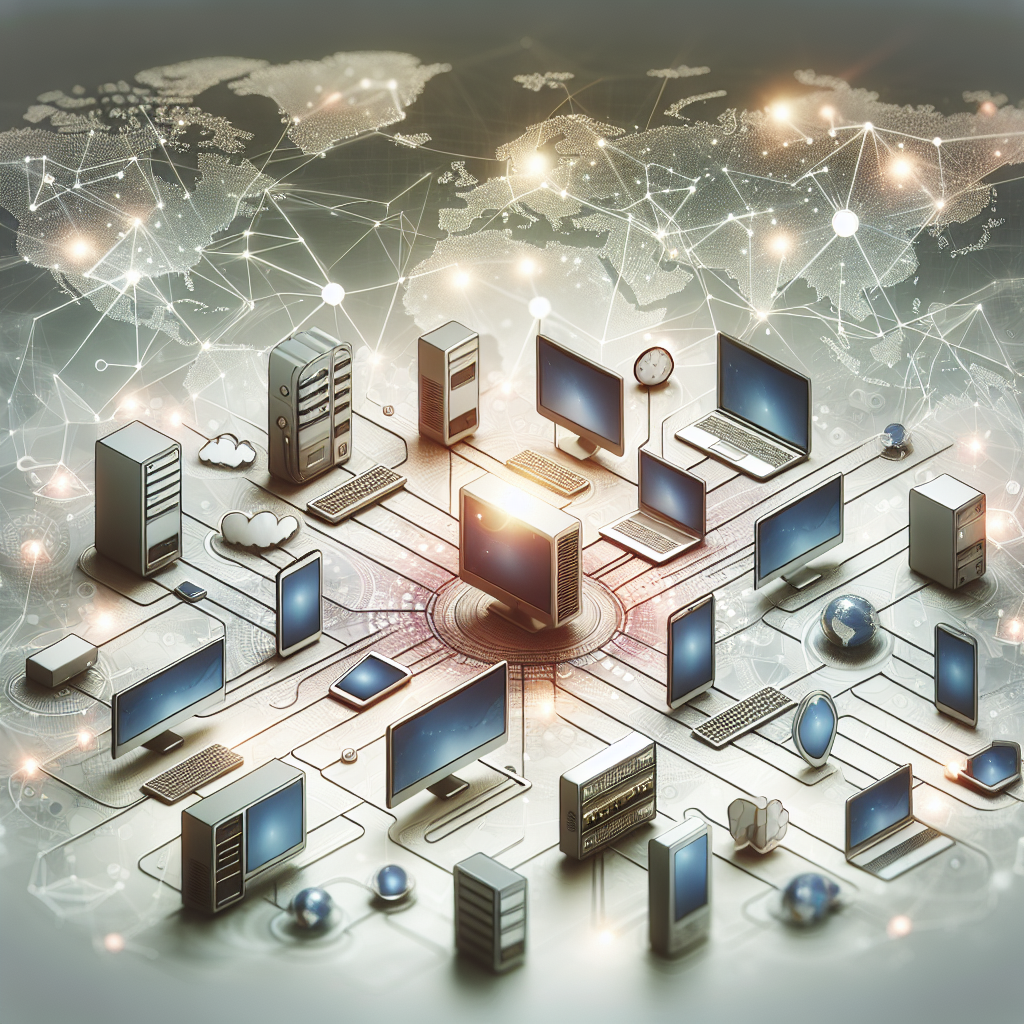
Edge computing refers to the practice of processing data near the data source rather than relying on a centralized data-center. This approach reduces latency and bandwidth use, making it a highly efficient solution for real-time applications.
Benefits of Edge Computing
- Reduced Latency: By processing data closer to its source, edge computing can significantly decrease latency.
- Improved Security: Local data processing reduces the risk associated with data transmission.
- Cost Efficiency: Decreased data transmission means lower bandwidth costs.
Challenges in Implementing Edge Computing
- Infrastructure Costs: Setting up edge computing infrastructure can be expensive.
- Complexity: Managing distributed computing resources adds complexity.
Applications of Edge Computing
Edge computing is used in various sectors such as healthcare, manufacturing, and autonomous vehicles for real-time data processing and analytics.
FAQs
What industries benefit from edge computing? Industries like healthcare, telecommunications, and smart cities benefit significantly.
How does edge computing impact IoT? Edge computing enhances IoT by providing faster data processing and reducing the load on central servers.
Conclusion
Edge computing is shaping the future of data processing with its ability to provide real-time insights and efficient data management. As a technology company, DH Solutions is at the forefront of implementing cutting-edge solutions that leverage the power of edge computing.
Tags