Introduction
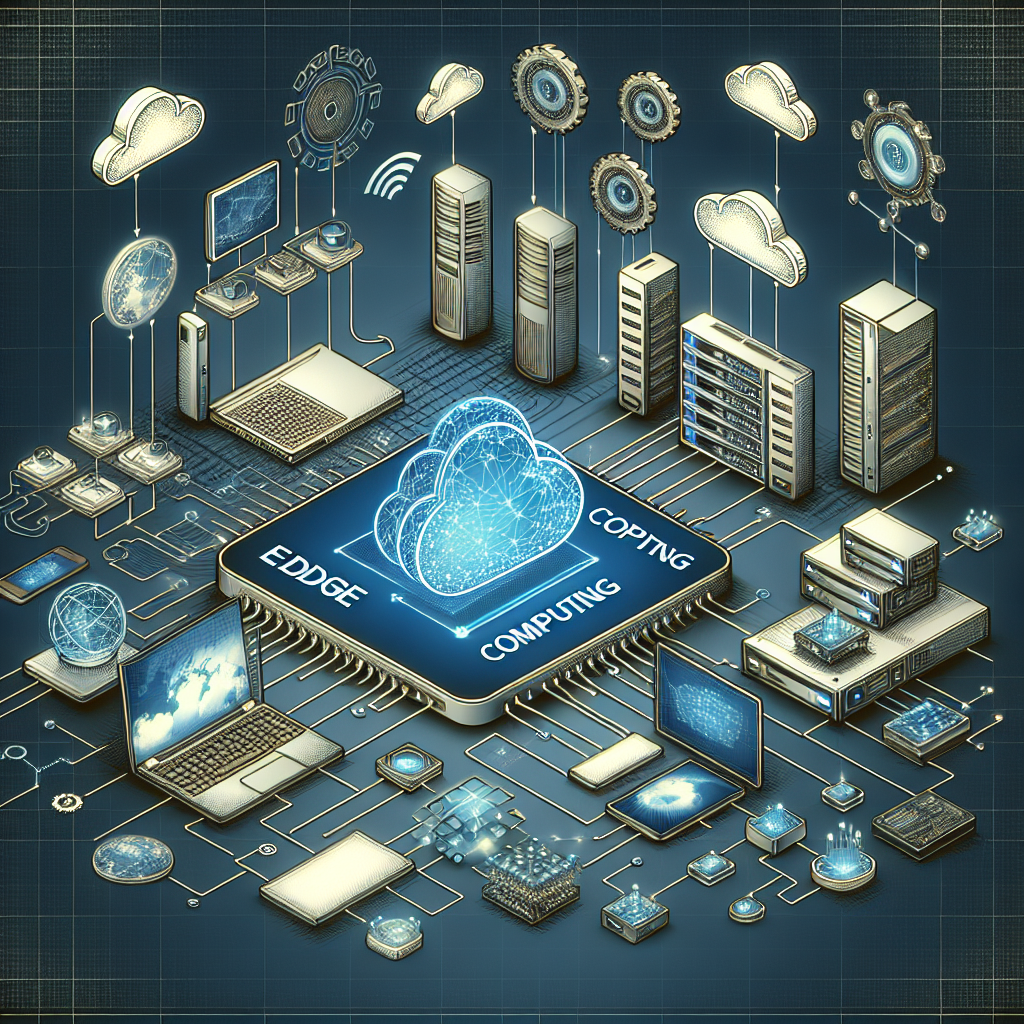
In an era where data is generated at an unprecedented speed, there is an increasing need for efficient data processing solutions. Edge computing has emerged as a revolutionary technology that brings computation and data storage closer to the location where it is needed.
Main Content
What is Edge Computing?
Edge computing refers to the practice of processing data near its source rather than relying on centralized data centers. This method minimizes latency and bandwidth usage, leading to faster data processing and response times.
Benefits of Edge Computing
- Reduced Latency: By processing data locally, edge computing significantly decreases the time taken to respond to user requests.
- Cost Efficiency: Reducing the need for data transmission saves costs related to bandwidth and cloud storage.
- Enhanced Privacy: Since data can be processed locally, the risk of exposure through data transmission is reduced.
Applications of Edge Computing
Edge computing finds applications across various industries such as healthcare, automotive, and retail. In healthcare, it enables real-time patient monitoring. In automotive, it supports autonomous driving technologies.
FAQs
What differentiates edge computing from cloud computing? Edge computing processes data closer to its source, reducing latency, while cloud computing relies on central data centers.
Is edge computing secure? Yes, by minimizing data transmission, it reduces potential vulnerabilities.
Conclusion
As industries continue to demand rapid data processing, edge computing stands at the forefront of technological innovation. DH Solutions is committed to advancing this technology to meet future needs.
Tags