Introduction
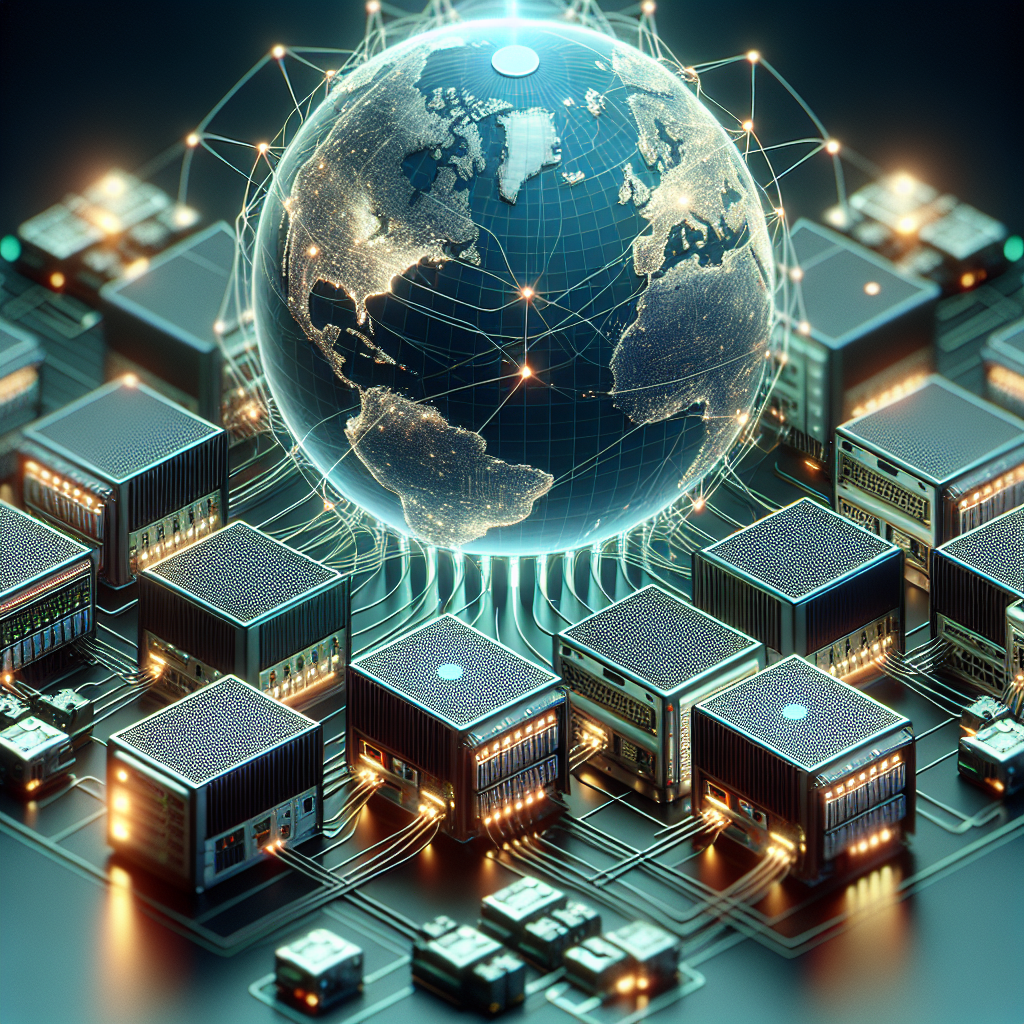
Edge computing is revolutionizing the technology landscape by changing how data is processed and managed. Unlike traditional cloud computing, which relies on centralized data centers, edge computing brings computation and storage closer to the data source, allowing for quicker processing and improved efficiency.
Main Content
What is Edge Computing?
Edge computing is a distributed computing paradigm that processes data at the "edge" of the network, near the source of the data. This approach minimizes latency and bandwidth use, making it ideal for applications that require real-time data processing.
Benefits of Edge Computing
- Reduced Latency: By processing data closer to the source, edge computing significantly reduces latency, enhancing user experiences.
- Improved Bandwidth Efficiency: As data is processed locally, the need for bandwidth-intensive data transfer is minimized.
- Enhanced Security: With less data traversing the network, there is a reduced risk of interception, enhancing data privacy and security.
Impact on Various Sectors
Edge computing is making waves across various industries, including healthcare, automotive, and manufacturing. By enabling faster data processing, these sectors are seeing improved operational efficiency and innovative applications.
FAQs
What distinguishes edge computing from cloud computing?
Edge computing processes data closer to where it is generated, whereas cloud computing processes data centrally, which may result in higher latency.
Why is edge computing important?
Edge computing is crucial for applications that require real-time data processing and lower latency, such as autonomous vehicles and smart cities.
Conclusion
Edge computing is steadily transforming the digital landscape, offering robust solutions for faster and more efficient data management. At DH Solutions, we are at the forefront of integrating edge computing technologies to enhance operational capabilities and provide innovative solutions to our clients.
Tags