Introduction
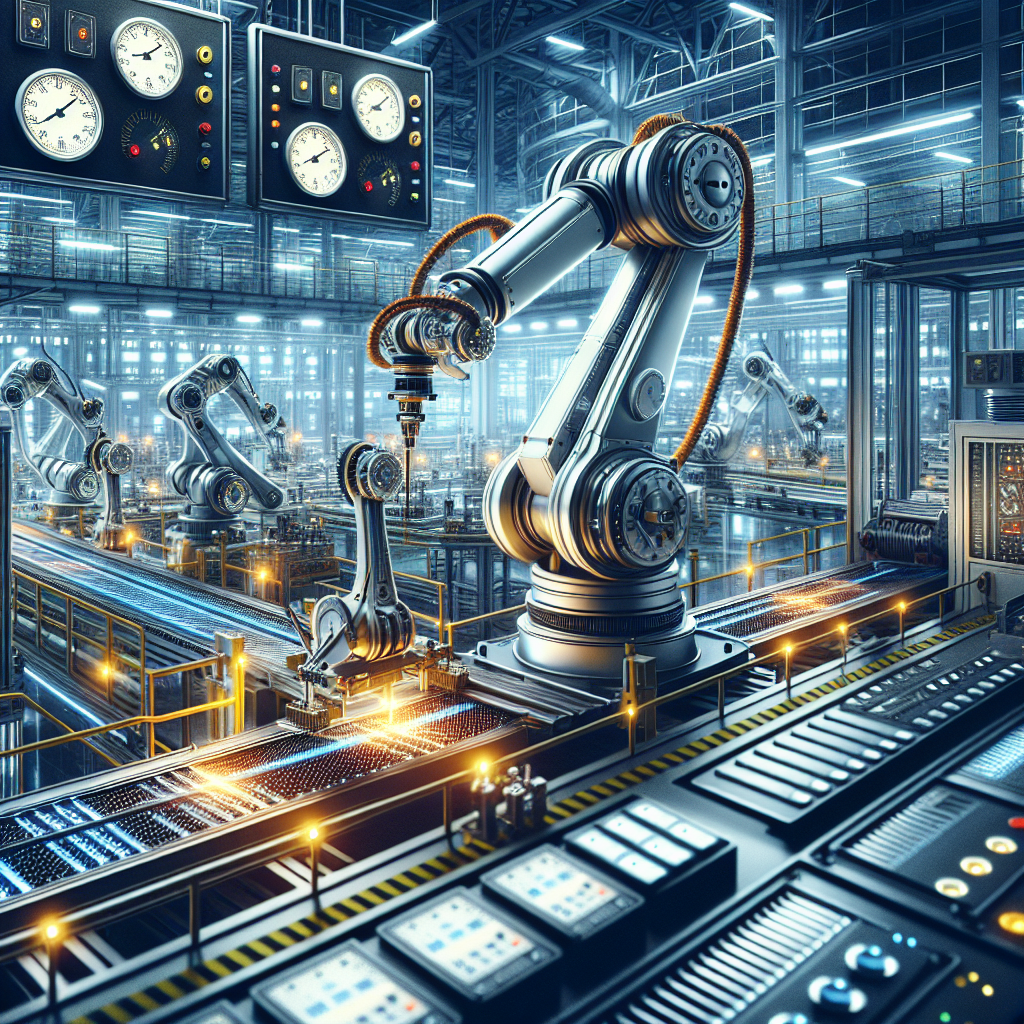
In the modern business landscape, Automation and Robotic Process Automation (RPA) are becoming pivotal in driving efficiency and innovation. They represent powerful tools in transforming traditional processes, allowing industries to thrive in an increasingly competitive environment.
Main Content
What is Automation?
Automation refers to the use of technology to perform tasks with minimal human intervention. It streamlines processes, saves time, and reduces errors.
Understanding Robotic Process Automation
RPA is a subset of automation focusing on mimicking human actions to perform repetitive tasks. It integrates seamlessly with existing systems to improve accuracy and speed.
Benefits of Automation and RPA
- Cost Efficiency: Reduces operational costs by minimizing manual labor.
- Enhanced Accuracy: Eliminates human error, ensuring consistency.
- Scalability: Easily scales operations to meet growing demands.
Future Trends in Automation and RPA
The future of Automation and RPA is promising, with advancements in AI and machine learning leading the way to smarter and more adaptive systems.
FAQs
Q: How does Automation affect employment?
A: While some fear job loss, many roles are evolving, requiring upskilling and new career paths in tech.
Q: Which industries benefit most from RPA?
A: Industries like finance, healthcare, and manufacturing see significant improvements in efficiency and accuracy.
Conclusion
Embracing Automation and RPA is crucial for industries aiming to stay competitive. At DH Solutions, we are committed to helping businesses integrate these technologies smoothly and effectively.
Tags