Introduction
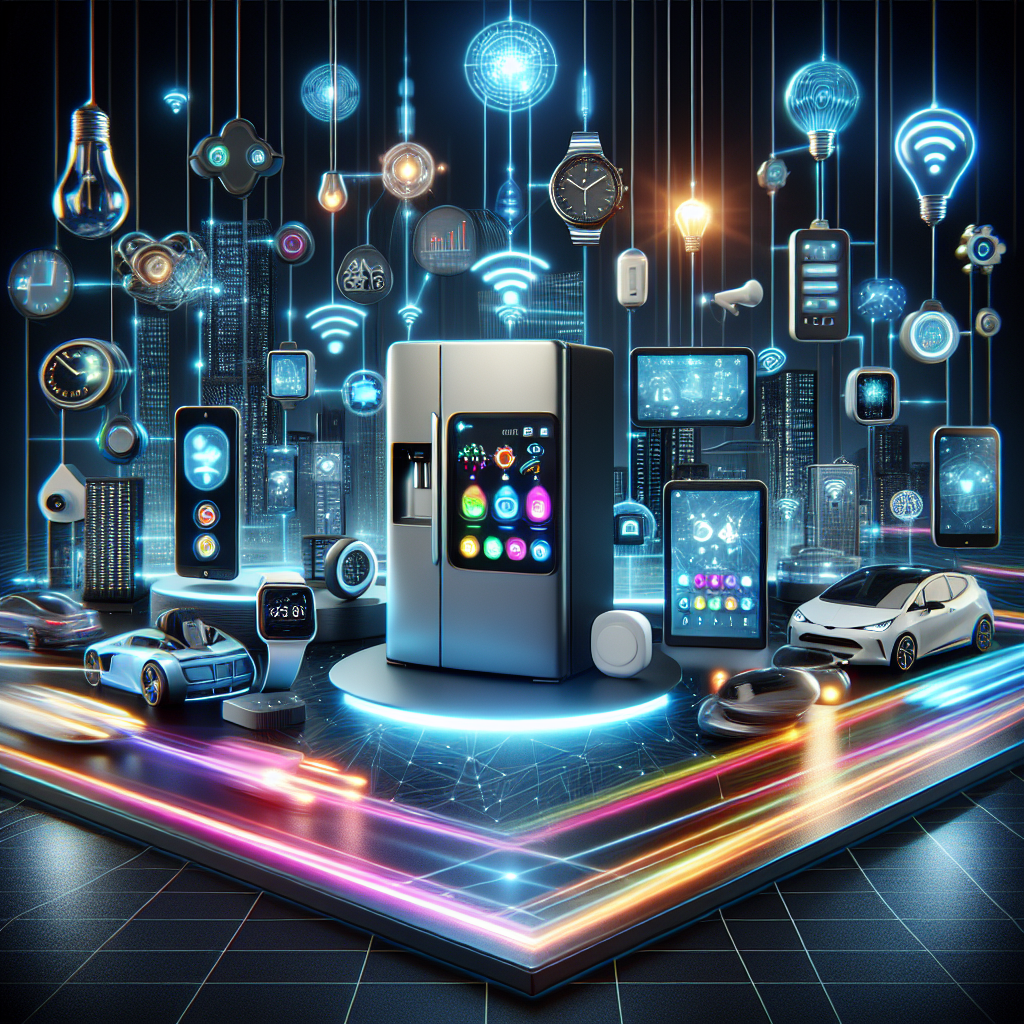
The Internet of Things (IoT) refers to the ever-growing network of interconnected devices that communicate and share data with each other. This technological paradigm is transforming industries by enabling smarter decisions and automated processes. In this article, we will explore the impact of IoT on various sectors, its benefits, challenges, and future trends.
Main Content
The Impact of IoT on Various Industries
IoT is significantly altering industries such as healthcare, manufacturing, and transportation. In healthcare, wearable devices monitor patients in real-time, providing crucial data for timely interventions. Manufacturing industries utilize IoT for predictive maintenance and improved efficiencies. IoT in transportation manages fleet operations and enhances safety through real-time tracking.
Benefits of IoT
- Efficiency: IoT automates processes, reducing manual intervention.
- Data Insights: Continuous data collection aids in informed decision-making.
- Cost Savings: Optimization of resources leads to reduced operational costs.
Challenges in IoT Implementation
Despite its advantages, IoT faces challenges such as security risks, data privacy concerns, and the need for standardization across devices. Addressing these challenges is crucial for leveraging the full potential of IoT technologies.
FAQs
What is IoT? IoT refers to a network of physical objects connected to the internet, enabling data exchange.
Why is IoT important? IoT enhances efficiency, productivity, and innovation across various sectors.
Conclusion
As the Internet of Things continues to evolve, it holds the promise of revolutionary changes in how industries operate. DH Solutions is at the forefront, helping businesses harness the power of IoT for a smarter, connected future.
Tags