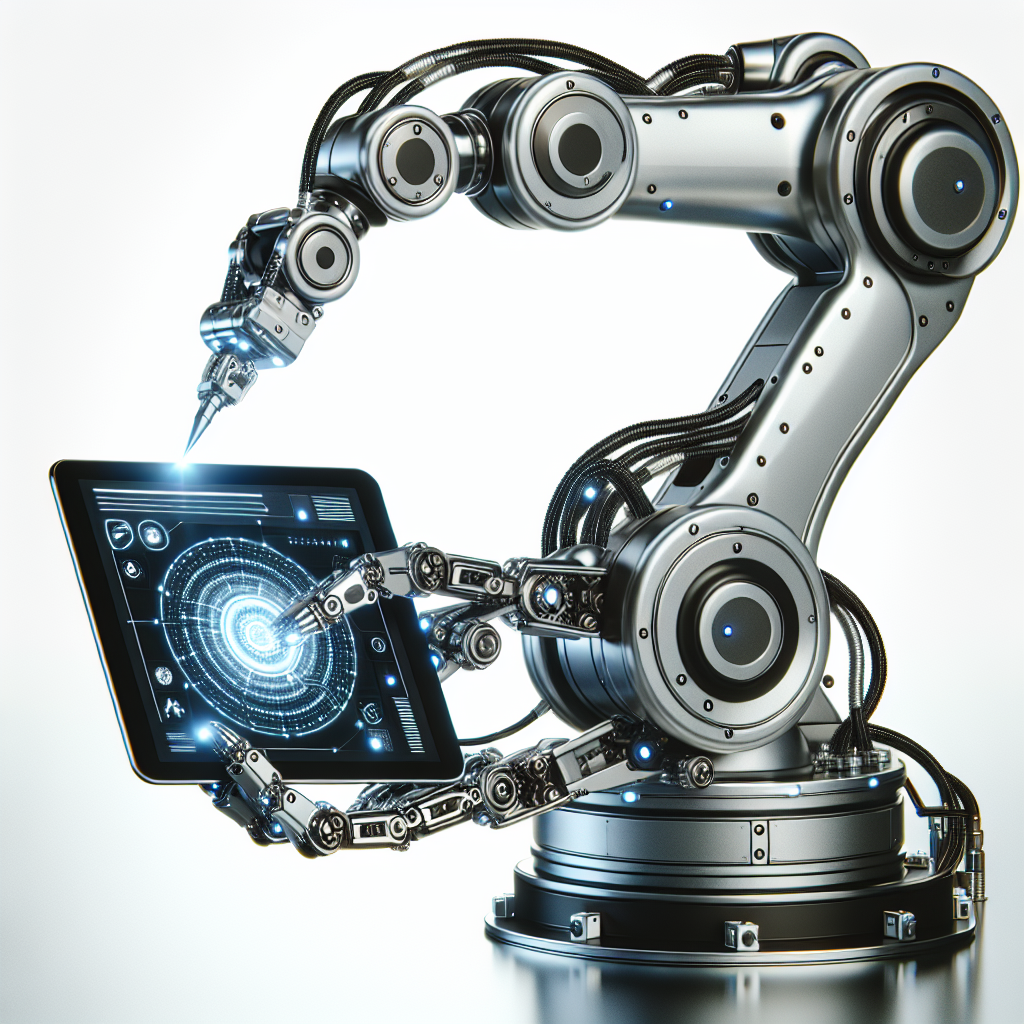
Introduction
Automation and Robotic Process Automation (RPA) are reshaping the landscape of various industries. By automating repetitive tasks, businesses can enhance efficiency, reduce errors, and focus on strategic objectives.
Main Content
Understanding Automation
Automation involves using technology to perform tasks with minimal human intervention. This can be seen across manufacturing, service industries, and more.
What is RPA?
RPA uses software robots to emulate human actions in digital systems. It's specific to rule-based tasks that require little human judgment.
Benefits of RPA
- Increased efficiency
- Reduced operational costs
- Enhanced accuracy
- Scalability
Challenges in Implementing RPA
Despite its advantages, RPA implementation can face challenges such as integration with existing systems and the need for employee training.
Future Trends
The future of Automation and RPA is promising, with advancements in AI fueling more sophisticated capabilities.
FAQs
How does RPA differ from traditional automation?
RPA operates at the user interface level, mimicking human actions, while traditional automation works at the back end.
What industries benefit most from RPA?
Industries like finance, healthcare, and manufacturing benefit significantly from RPA.
Conclusion
DH Solutions is at the forefront of this transformative technology, helping businesses leverage Automation and RPA for enhanced productivity.
Tags