Introduction
As the world becomes increasingly connected, the demand for faster data processing and real-time analytics grows. Edge computing provides a solution by processing data closer to where it is generated. This blog explores the transformative impact of edge computing on technology.
Main Content
What is Edge Computing?
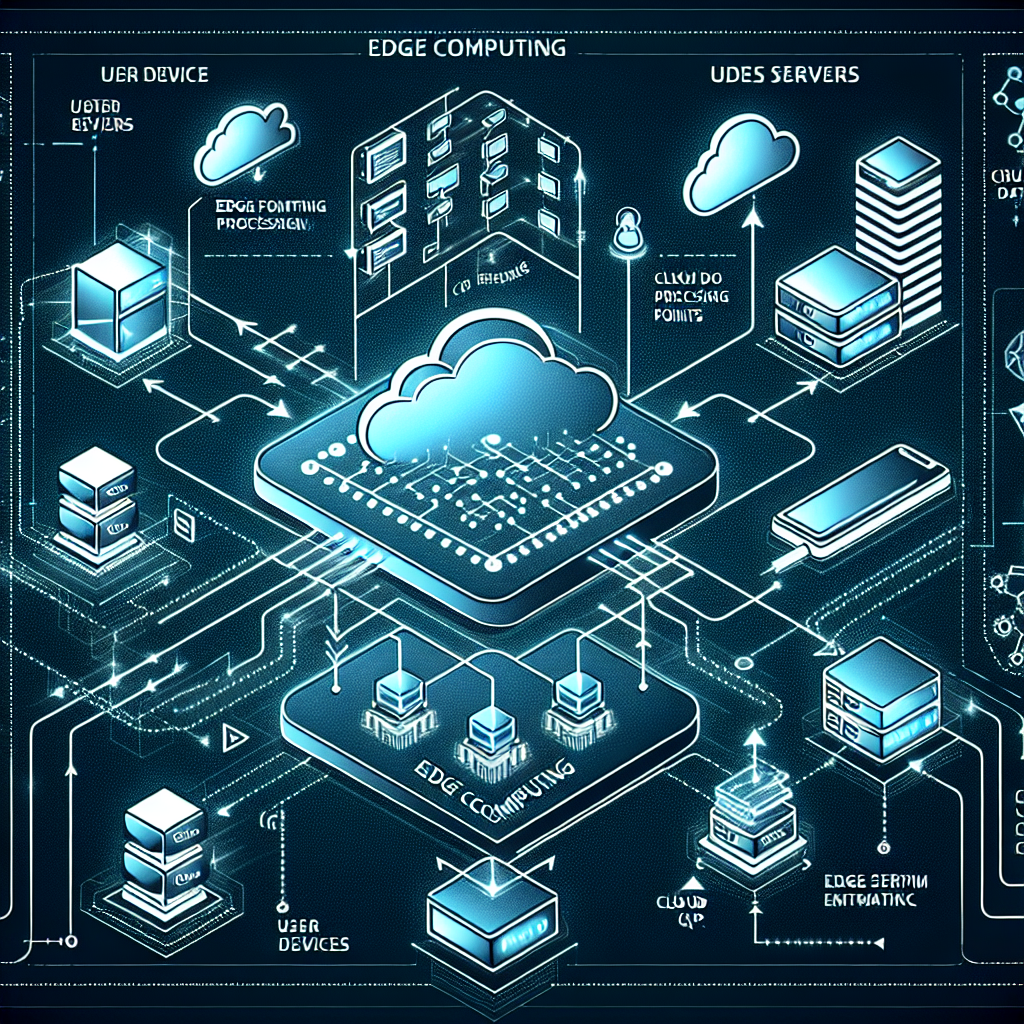
Edge computing refers to the practice of processing data near its source rather than relying on a centralized data center. This approach reduces latency and improves speed, making it ideal for applications requiring real-time processing.
Benefits of Edge Computing
- Reduced Latency: By processing data locally, edge computing significantly reduces the time it takes to transfer data.
- Improved Security: Keeping data closer to its source minimizes vulnerabilities associated with data transfer.
- Efficiency: Edge computing enables more efficient data handling and analytics.
Challenges in Implementing Edge Computing
Despite its advantages, edge computing presents challenges such as managing the distributed infrastructure and ensuring data consistency across all nodes.
Future Outlook
The future of edge computing looks promising with advancements in AI and IoT driving its adoption across various sectors.
FAQs
What industries benefit most from edge computing?
Industries such as healthcare, automotive, and telecommunications benefit significantly due to the need for real-time data processing.
Conclusion
Positioned at the forefront of technological advancements, DH Solutions is committed to harnessing the power of edge computing. By embracing this technology, businesses can stay competitive in a rapidly evolving landscape.
Tags