Introduction
Edge computing is a paradigm shift from traditional data processing methods, offering faster processing speeds and improved security by bringing computation closer to the data source. As the technology industry evolves, understanding edge computing is crucial for businesses looking to stay competitive.
Main Content
What is Edge Computing?
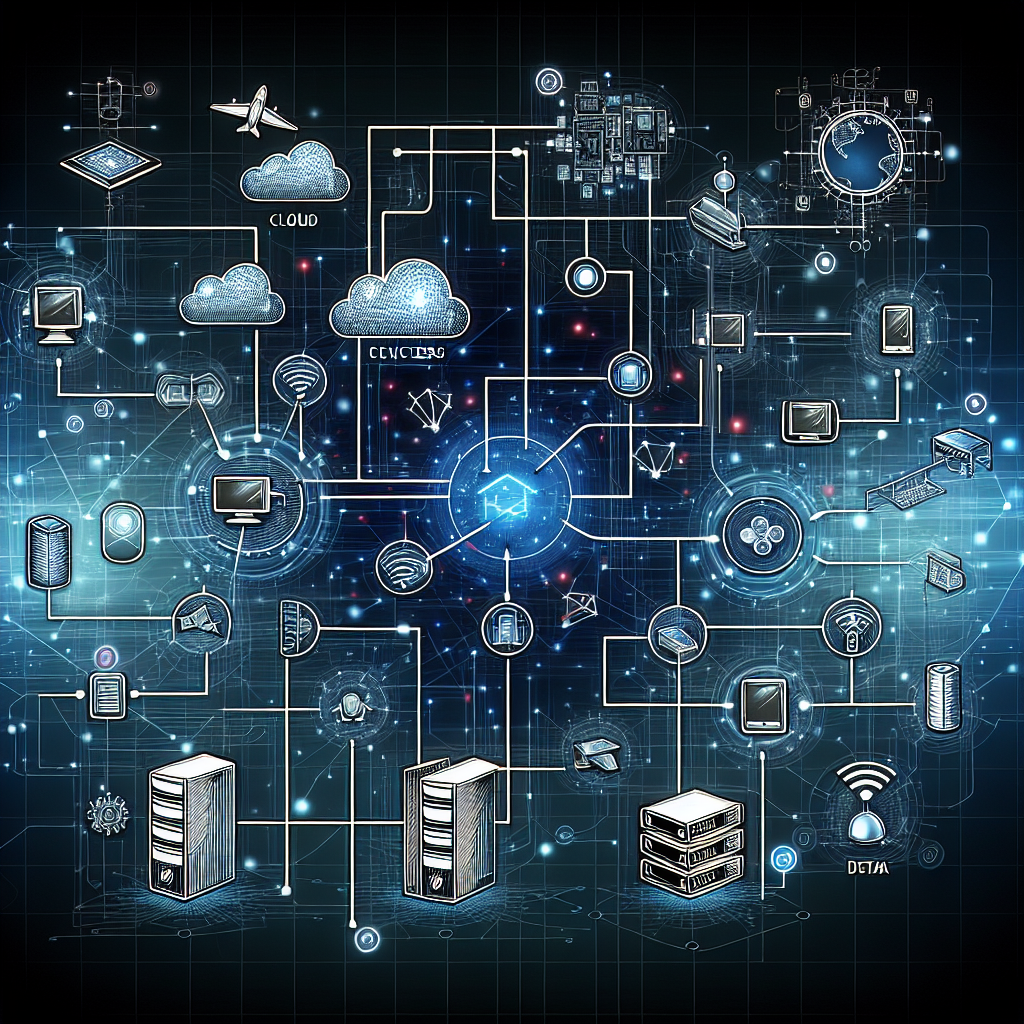
Edge computing refers to the practice of processing data near the edge of the network, rather than relying entirely on centralized cloud services. By handling data closer to its source, edge computing reduces latency and bandwidth usage.
Advantages of Edge Computing
- Reduced Latency: Processing data locally minimizes the delay in data transmission.
- Improved Security: Local processing reduces the risk of data breaches compared to centralized cloud storage.
- Bandwidth Efficiency: By reducing the amount of data transmitted over the network, edge computing can lower costs and improve efficiency.
Challenges of Edge Computing
- Infrastructure Costs: Setting up infrastructure for edge computing can be costly.
- Complexity: Managing a distributed computing network requires specialized skills and knowledge.
Future Trends
As IoT devices proliferate, edge computing is set to become increasingly prominent. Innovations in AI and machine learning are expected to further enhance edge capabilities, enabling smarter and more efficient processing.
FAQs
How does edge computing differ from cloud computing?
Edge computing processes data closer to its source, whereas cloud computing relies on centralized data centers. This allows edge computing to provide quicker responses and enhanced security.
Who can benefit from edge computing?
Industries such as manufacturing, healthcare, and telecommunications can significantly benefit from edge computing due to its efficiency and real-time processing capabilities.
Conclusion
Edge computing marks a significant advancement in technological processing, offering numerous benefits for businesses looking to optimize performance and security. DH Solutions is at the forefront of these innovations, providing cutting-edge solutions to modern computing challenges.
Tags