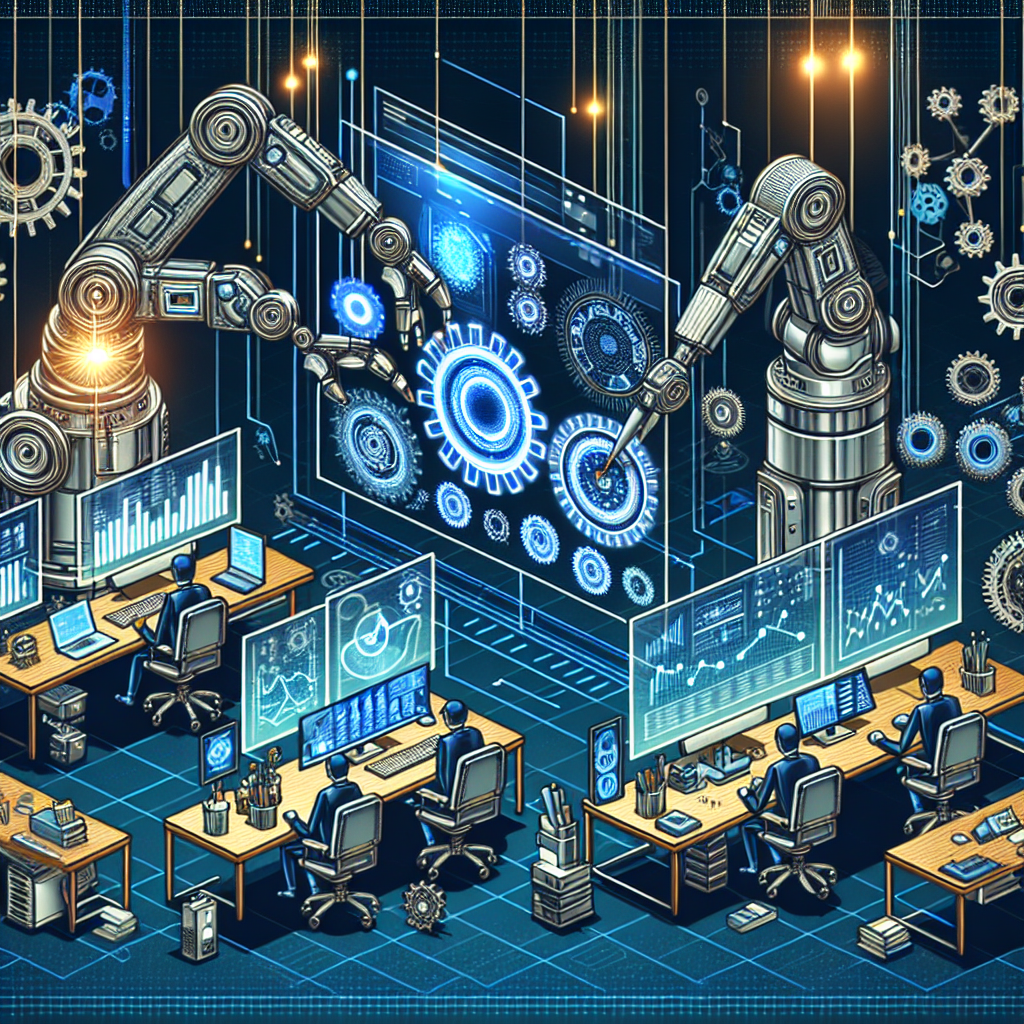
Introduction
In an era where efficiency is paramount, Automation and Robotic Process Automation (RPA) have emerged as critical technologies for modern businesses. These technological advancements have been redefining how companies operate, streamline processes, and enhance productivity.
Main Content
Understanding Automation and RPA
Automation refers to the technology that enables machines to perform tasks without human intervention. RPA, on the other hand, involves using software robots to automate highly repetitive and rule-based tasks.
Benefits of Automation and RPA
- Increased Efficiency: Tasks are completed faster and with greater accuracy.
- Cost Reduction: Reducing manual labor can lead to significant cost savings.
- Improved Compliance: Automated processes minimize errors, thus maintaining compliance with industry standards.
Challenges and Considerations
While Automation and RPA offer numerous benefits, they also present challenges such as initial setup costs and the need for ongoing maintenance. Businesses must carefully weigh these factors when integrating these technologies.
Future Trends
The future of Automation and RPA is promising, with trends like AI integration and machine learning likely to play a pivotal role in further advancements.
FAQs
What industries benefit most from RPA? Sectors like banking, healthcare, and manufacturing benefit extensively from RPA due to their high-volume repetitive tasks.
How does RPA differ from traditional automation? Unlike traditional automation, which often requires significant changes to existing systems, RPA works on the user interface of existing applications, making it less intrusive.
Conclusion
In conclusion, Automation and RPA are transformative technologies that are reshaping the business landscape. Companies like DH Solutions are at the forefront, helping businesses embrace these innovations to drive growth and efficiency.
Tags