Introduction
In today's rapidly evolving technological environment, edge computing stands out as a pivotal development. By processing data closer to its origin, edge computing reduces latency and increases the efficiency of data management. This article delves into its growing importance in our digital world.
Main Content
What is Edge Computing?
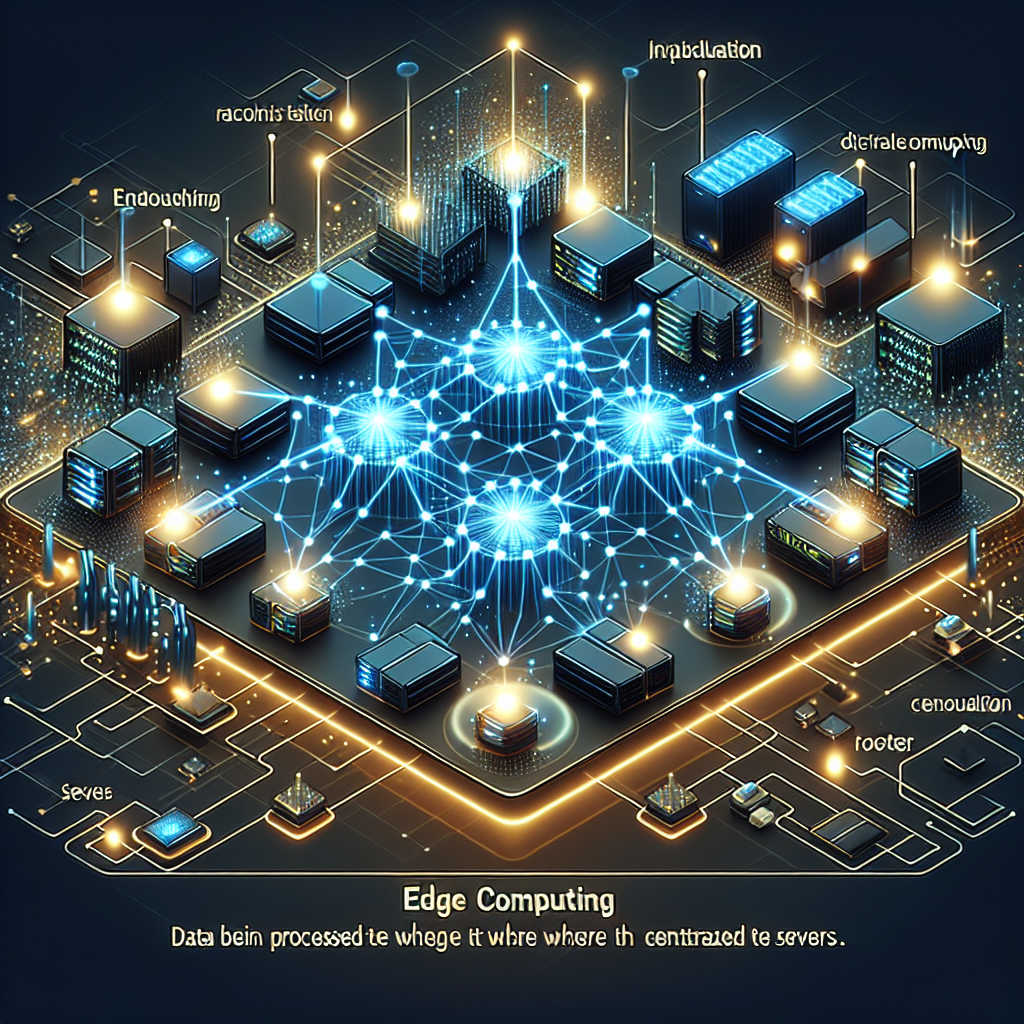
Edge computing refers to the practice of capturing, storing, processing, and analyzing data near the client, where the data is generated, instead of in a centralized data-processing warehouse. This method is essential for real-time data processing, especially in IoT applications.
Benefits of Edge Computing
- Reduced Latency: By processing data near its source, edge computing significantly reduces the time taken to respond to data queries, which is vital for time-sensitive applications.
- Improved Security: Data is not moved around as much, leading to reduced exposure to potential cyber-attacks.
- Scalability: It allows companies to expand their IT infrastructure efficiently by adding edge devices instead of investing in central data centers.
Applications of Edge Computing
From autonomous vehicles to smart cities, edge computing facilitates a wide array of applications. It enables real-time analytics, immediate data processing, and enhances the functionality of smart devices.
FAQs
How does edge computing complement cloud resources? Edge computing works alongside cloud computing to provide a hybrid solution that maximizes efficiency. It executes processing close to the data source, while cloud computing handles large-scale processing tasks.
What industries benefit most from edge computing? Industries such as healthcare, retail, manufacturing, and telecommunications leverage edge computing for enhanced performance and innovation.
Conclusion
As the demand for real-time processing and IoT devices grows, edge computing is set to revolutionize the way data is managed. At DH Solutions, we are committed to harnessing edge computing innovations to empower businesses in their digital transformation journey.
Tags