Introduction
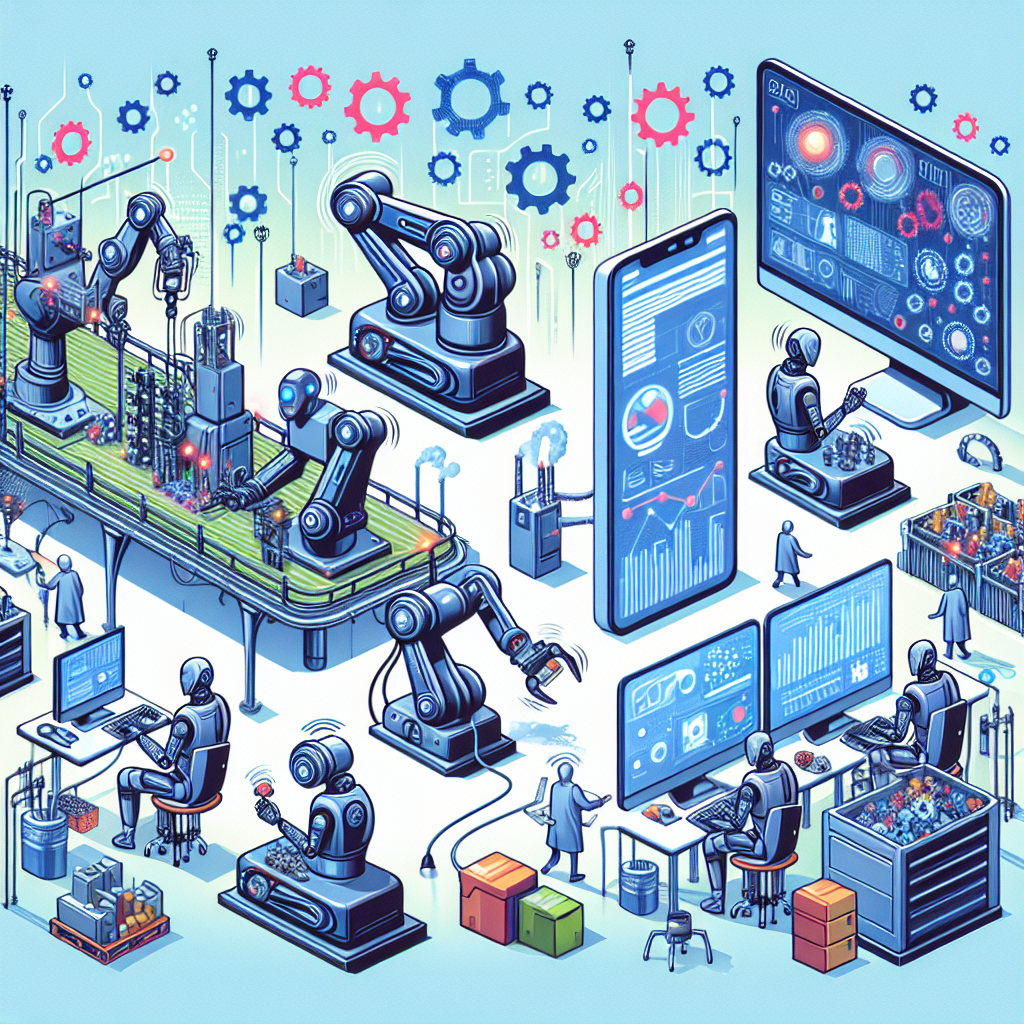
In the modern technological landscape, Automation and Robotic Process Automation (RPA) are redefining how businesses operate. By automating mundane tasks, companies are freeing up valuable human resources for more strategic activities.
Main Content
What is Automation?
Automation refers to using technology to perform tasks with minimal human intervention. This can range from simple scripting to complex machine learning algorithms.
Understanding RPA
RPA uses software robots to mimic human actions for executing various business processes. These robots can handle repetitive and rule-based tasks effectively and accurately.
Benefits of Automation and RPA
- Improved Efficiency: Tasks are completed faster and with less error.
- Cost Savings: Automation reduces the need for manual labor, which cuts costs.
- Scalability: Businesses can scale operations quickly without extra hiring.
Use Cases
From customer service to HR, automation has applications in numerous departments, enabling better service delivery and operational excellence.
FAQs
How does RPA improve business productivity?
By automating routine tasks, RPA allows employees to focus on high-value work, significantly boosting productivity.
Is RPA suitable for small businesses?
Yes. RPA can be scaled to fit the needs of small businesses, providing them with competitive advantages.
Conclusion
Automation and RPA are essential for modern businesses aiming for productivity and efficiency. DH Solutions is dedicated to providing cutting-edge solutions to help companies leverage these technologies effectively.
Tags