Introduction
In today's fast-paced world, businesses are constantly seeking ways to enhance efficiency and reduce operational costs. Automation and Robotic Process Automation (RPA) have emerged as critical tools in achieving these goals.
The Role of Automation and RPA
Automation involves the use of technology to perform tasks with minimal human intervention, while RPA uses software robots to automate highly repetitive and routine tasks.
Key Benefits
- Increased Efficiency: Automation and RPA significantly speed up processes, allowing businesses to focus on strategic tasks.
- Error Reduction: By minimizing human involvement, the likelihood of errors is greatly reduced.
- Cost Savings: Automating routine tasks reduces labor costs and frees up resources.
Applications in Various Industries
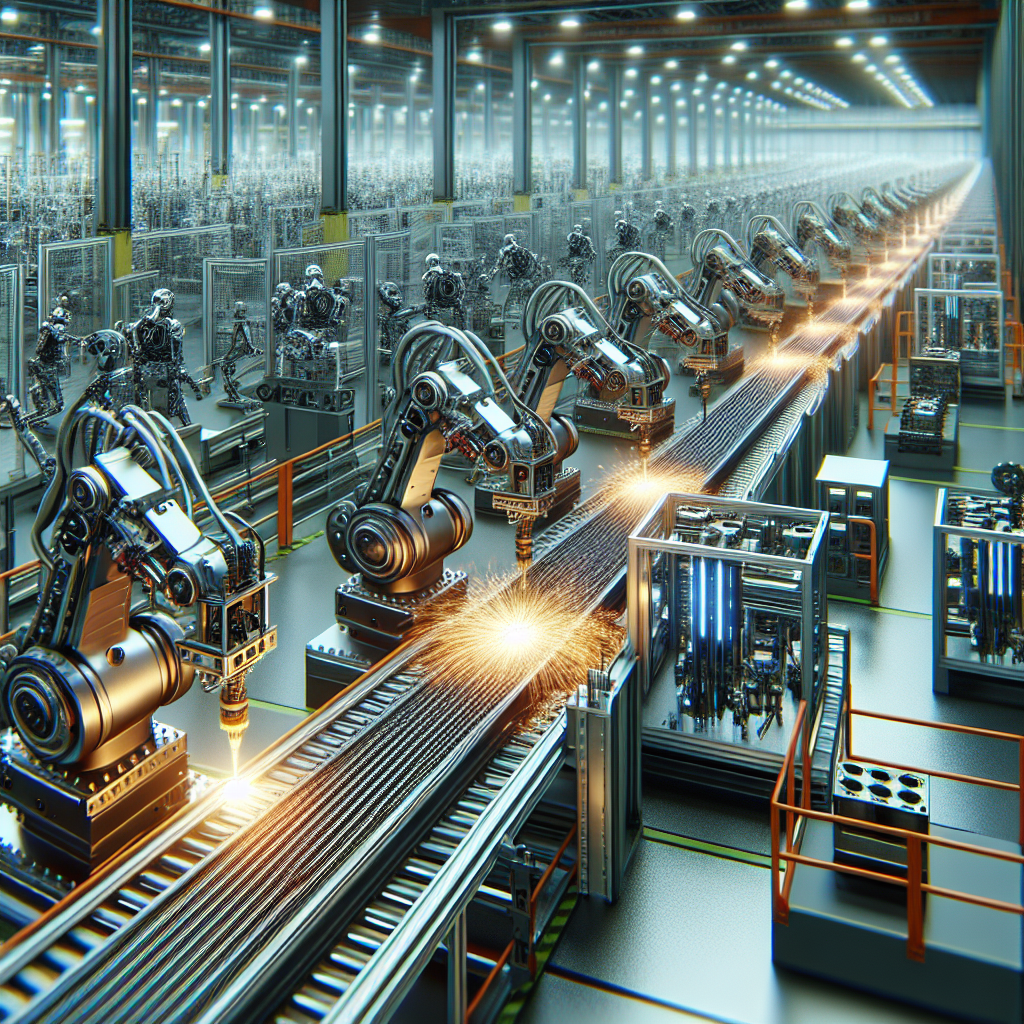
RPA and automation are making waves across different sectors, including finance, healthcare, and manufacturing. They streamline processes, such as invoice processing, patient data management, and quality control in production lines.
FAQs
Q: What is the difference between automation and RPA?
A: Automation is a broader concept that involves using technology to execute tasks, whereas RPA specifically uses robots for automating repetitive tasks.
Q: How can businesses implement RPA?
A: Implementation involves identifying tasks for automation, choosing the right RPA tools, and training staff to work alongside automation.
Conclusion
At DH Solutions, we specialize in providing cutting-edge automation and RPA solutions that help businesses optimize their operations and achieve significant competitive advantages. Our expertise ensures seamless integration and maximum ROI.
Tags