Introduction
AI Automation has emerged as a powerful force driving digital transformation across industries. By combining artificial intelligence with automated workflows, organizations can streamline operations, reduce costs, and make smarter decisions at scale.
Unlike traditional automation, AI-powered systems continuously learn from data, adapt to new scenarios, and improve performance over time making them ideal for today’s fast-paced digital economy.
What Is AI Automation?
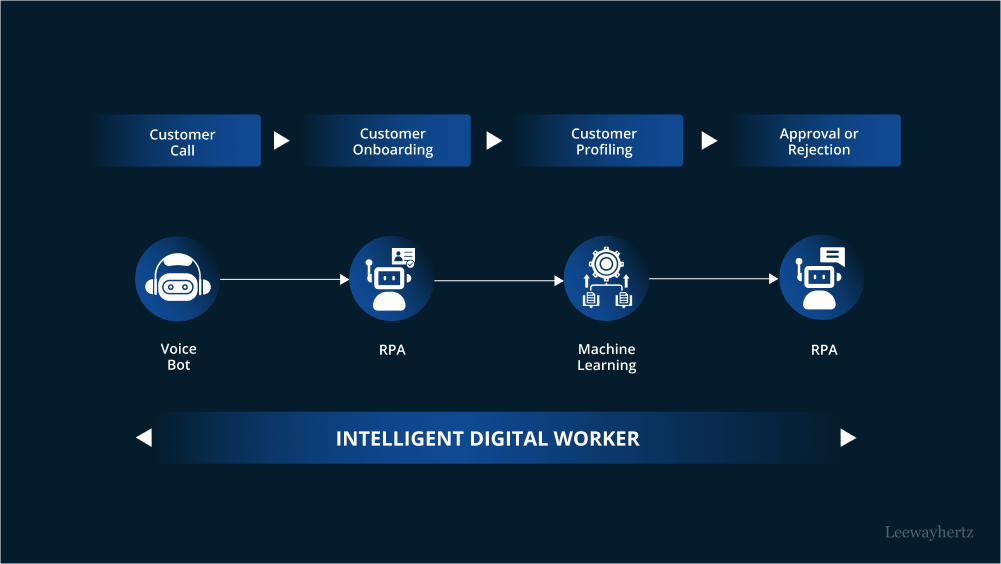
AI Automation refers to the use of artificial intelligence technologies such as machine learning, natural language processing, and computer vision to automate complex business processes that previously required human intelligence.
This includes tasks like customer support automation, predictive analytics, intelligent document processing, and automated decision-making systems.
Key Benefits of AI Automation
Operational Efficiency: Automates repetitive and time-consuming tasks
Cost Reduction: Minimizes human error and operational overhead
Scalability: Handles growing workloads without increasing staff
Data-Driven Decisions: Uses real-time insights to guide actions
Enhanced Customer Experience: Faster responses and personalized interactions
AI Automation Use Cases
AI Automation is being widely adopted across multiple sectors:
Customer Support: AI chatbots and virtual assistants
Finance: Automated fraud detection and transaction analysis
Healthcare: Intelligent diagnostics and patient data processing
E-commerce: Personalized recommendations and inventory forecasting
HR & Operations: Resume screening, payroll, and workforce planning
AI Automation vs Traditional Automation
Traditional automation relies on fixed rules and predefined logic. AI Automation, however, learns from data and improves continuously. This allows businesses to handle complex, unstructured data and make intelligent decisions without constant human intervention.
Challenges in AI Automation
While powerful, AI Automation comes with challenges such as data quality requirements, integration complexity, and ethical considerations. Proper planning, clean datasets, and responsible AI practices are critical for long-term success.
The Future of AI Automation
As AI models become more advanced, AI Automation will evolve into fully autonomous business ecosystems. Companies that adopt AI-driven automation early will gain a significant competitive advantage in productivity, innovation, and customer satisfaction.
Conclusion
AI Automation is no longer optional it is a strategic necessity. Businesses that leverage intelligent automation can unlock efficiency, agility, and sustainable growth in an increasingly competitive digital landscape.
Tags
#AI Automation#Business Automation#Intelligent Workflows#Machine Learning#Digital Transformation#AI Solutions